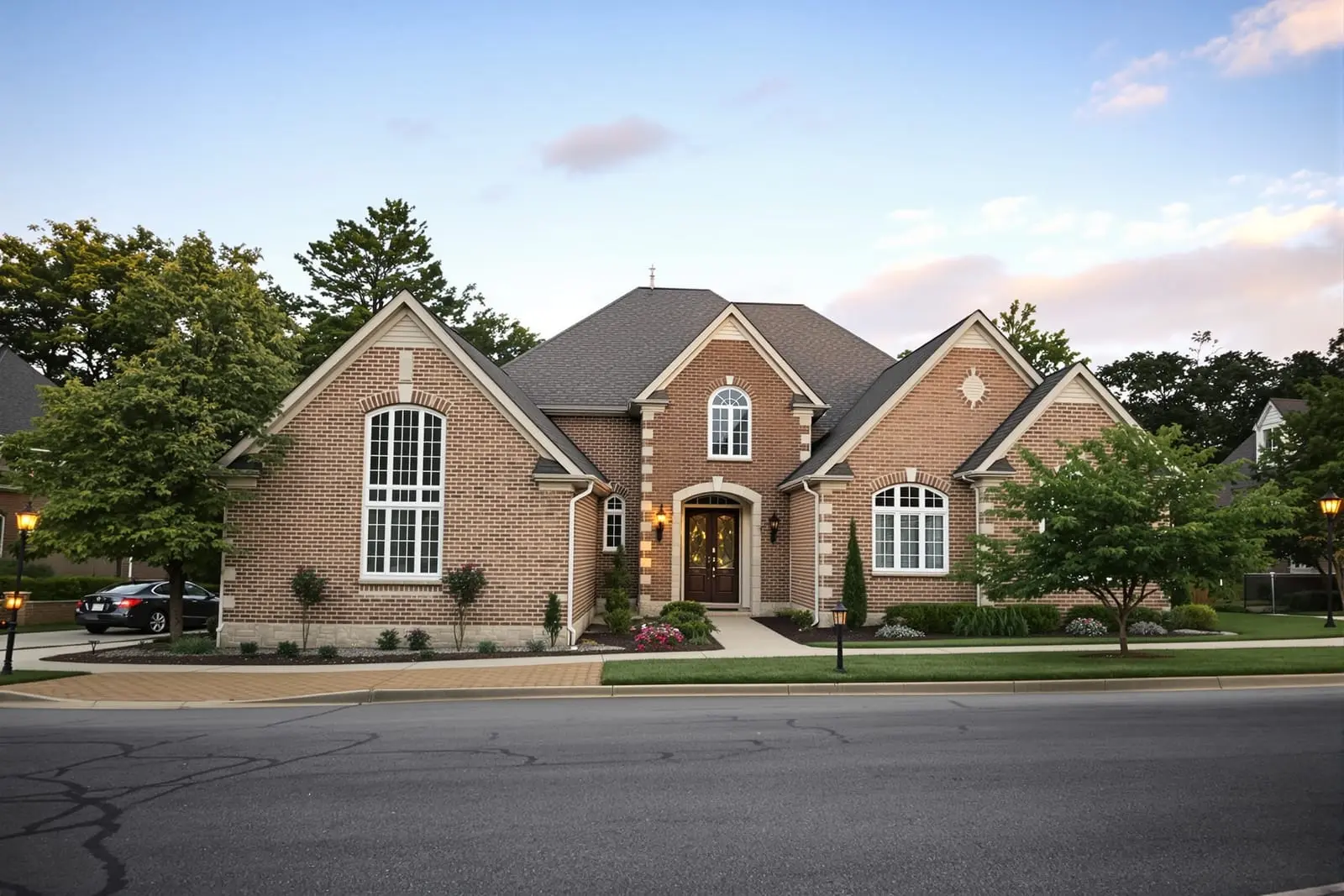
We provide professional brick veneer installation in Baltimore, MD to upgrade your home exterior without full brick construction. Our team installs brick facing on walls, entryways, and accents for a classic look. Careful preparation and fastening ensure your veneer stays secure and weather resistant. Get a polished brick appearance that boosts value and style.
Vanguard Masonry Baltimore provides professional brick veneer installation throughout Baltimore, MD and the surrounding area. Our licensed, insured crew delivers safe, clean, on-time work with a free estimate before anything begins. Call (410) 237-0325 or request your free quote.
Brick Veneer Installation for Baltimore Homes and Businesses
Brick veneer installation is one of the most effective ways to give a Baltimore property the look and durability of brick without the weight and cost of full masonry walls. Vanguard Masonry Baltimore installs both real clay brick veneer and manufactured thin brick on rowhomes, single‑family homes, and commercial buildings throughout the city and surrounding counties.
In many Baltimore neighborhoods, from Highlandtown and Canton to Parkville and Catonsville, owners want the classic brick look but need to work with existing framing, stucco, or block walls. Brick veneer is a non‑structural facing that attaches to wood framing, metal studs, concrete, or CMU, creating the appearance of a full brick wall. Properly installed, it improves curb appeal, adds a protective layer against the weather, and can help stabilize older surfaces that are starting to show age.
At Vanguard Masonry Baltimore, we focus on the details that matter in this climate and this housing stock. That means correct wall preparation, moisture management, and anchoring methods that respect the age and condition of your structure, whether it is a 100‑year‑old rowhouse or a newer townhouse infill project.
Our Brick Veneer Installation Process in Baltimore
A successful brick veneer installation starts well before the first brick goes on the wall. We begin with an on‑site evaluation of your existing structure. In many Baltimore rowhomes we find a mix of old brick party walls, framed additions, and patched stucco. We check for loose or spalling masonry, water staining on interior walls, and any framing issues that could affect the new veneer.
After inspection, we prepare a detailed scope. Preparation often includes power washing or wire brushing existing masonry, removing flaking paint, repairing cracks in block or brick, and replacing any rotten exterior sheathing on framed walls. For wood framed walls we typically install a weather‑resistant barrier (housewrap or building paper) and flashing around openings, then add corrosion‑resistant metal lath or a suitable sheathing that the thin brick can bond to.
Next, our crew sets control lines and layout. Baltimore homes often have visible slopes, settled porches, or historic details that need to line up visually. We snap level lines, determine where to start and end courses to hit window sills and door heads cleanly, and plan for any corners or returns. This layout step is where we can solve future aesthetic issues before they appear on the wall.
Once layout is confirmed, we install the brick veneer using the method best suited to your project. For adhered veneer, we apply a scratch coat of mortar over the lath, score it, allow it to cure, then set each thin brick into a bed of polymer‑modified mortar, pressing and slightly twisting to ensure full contact. For anchored veneer, we use brick ties or anchors fixed to the structure, leaving the required air gap and weep system at the base of the wall.
Material Options and Design Choices for Brick Veneer
Baltimore has a long brick tradition, so matching color and texture matters. Vanguard Masonry Baltimore works with multiple suppliers to source brick veneer that fits your block and your era of construction. For historic rowhome fronts near Patterson Park, clients often prefer wirecut or handmade style thin brick in deep reds and browns that echo existing facades. In newer neighborhoods, we see more demand for sleek, uniform modular thin brick in neutral grays or buff tones.
Brick veneer can be clay thin brick, which is essentially real brick sliced to a thinner profile, or concrete and manufactured options that mimic brick. Clay thin brick offers more authentic color variation, especially as it ages. Manufactured veneer can provide consistent tones and textures and often comes at a slightly lower material cost, which can be useful on large commercial facades.
Layout patterns also make a big difference. Running bond is most common and complements the classic Baltimore look. For accent walls or commercial entries, we sometimes use stack bond or soldier courses above openings. We discuss corner solutions as well, including L‑shaped corner units that wrap edges so the veneer reads like full brick, an important detail near porch columns and at building corners that face the street.
Mortar color and joint style can quietly transform the final result. A light mortar with tight, concave joints can brighten a narrow city alley. Darker mortar can downplay imperfections in older foundations. On historic‑style projects, we may use slightly recessed joints to mimic older hand‑tooled work. All these choices are reviewed with samples on site so you can see them in your actual light conditions rather than just in a catalog.
Moisture Management and Structural Considerations
Baltimore’s humidity, frequent freeze‑thaw cycles, and wind‑driven rain off the harbor mean moisture control is critical with brick veneer installation. A veneer that simply looks good on day one is not enough. Vanguard Masonry Baltimore designs each installation to shed water, allow drainage, and protect the structure behind the brick.
For anchored veneer systems, we maintain a drainage cavity between the veneer and the backup wall. We include weep holes or weep materials at the base and above openings, along with through‑wall flashing, so water that gets behind the veneer can exit instead of soaking into framing or interior finishes. On adhered veneer, we integrate drainage planes or use mortars and substrates that allow moisture to move outward rather than trap it.
Older Baltimore basements and garden‑level units are especially vulnerable to water intrusion. When installing veneer near grade, we respect minimum clearances above sidewalks and soil, and we carefully detail transitions to existing stoops, basement stairwells, and areaways. Where necessary, we may recommend addressing foundation waterproofing or repointing before adding veneer so the new skin does not hide an active leak that will worsen behind the wall.
Anchoring also matters. For wood or metal stud walls, we follow manufacturer and code requirements for fastener types, spacing, and embedment. On masonry backup walls, we select anchors that suit the brick or block condition. In some older South and East Baltimore walls where brick is soft or sandy, we test to ensure anchors hold properly or propose remedial work before proceeding.
Cost Factors for Brick Veneer Installation in Baltimore
Home and business owners often ask what drives the price of brick veneer installation in our area. The main cost factors are wall square footage, the condition of the existing surface, selected materials, and project complexity.
Square footage is straightforward. A small rowhome front or a single gable end is less costly than wrapping an entire commercial building. However, the condition of Baltimore’s older exteriors can affect labor significantly. If we encounter loose stucco, failing paint that must be removed, or cracked masonry that needs repair before veneer can be applied, we will include that work in your estimate so the veneer has a sound base.
Material selection also affects cost. Genuine clay thin brick in specialty colors or reclaimed‑look finishes usually costs more than standard manufactured options. Custom shapes, corner pieces, and special trim units near sills or cornices add visual interest but require more cutting and detailing time. Higher performing moisture barriers, drain mats, and flashings add to material cost but can prevent expensive repairs later, especially in rowhomes with little roof overhang.
Complexity includes height, access, and detailing. Facades that require full scaffolding on narrow city streets, tricky alley access, or coordination around power lines and neighboring structures will take more time and safety planning. Decorative patterns, insets for signage, transitions to existing brick, and integration with new windows or doors all require extra layout and finishing time. Vanguard Masonry Baltimore provides clear, line‑item estimates so you know exactly which elements contribute to the total.
Common Brick Veneer Problems and How We Prevent Them
Many calls we get in Baltimore relate to veneer that was installed years ago without proper detailing. Common problems include loose or popping units, mortar joints that crack early, staining from trapped moisture, and water leaks around windows or at the base of the wall.
Loose veneer sections usually trace back to poor bonding, inadequate anchors, or the wrong mortar type for the substrate. We address this during installation by preparing the base properly, using compatible mortar mixes, and checking for full coverage behind adhered units. For anchored systems, we verify anchor spacing, embedment, and corrosion resistance.
Cracking and staining often occur where there is no allowance for movement or where flashing is missing. Baltimore’s temperature swings, especially between humid summers and cold winters, cause expansion and contraction in both veneer and structure. We place control and expansion joints where needed, particularly on long runs of veneer or where new veneer meets older masonry. We also install correctly lapped flashing at all strategic points so water does not get trapped behind the brick.
Water entry at windows and doors is another frequent complaint on older projects. We counter this by coordinating carefully with window trim, caulking, and flashing systems. On many Baltimore renovations we are tying new veneer into existing vinyl or wood windows. We custom cut units, install metal or flexible flashing products, and seal joints with compatible sealants to create a continuous barrier, not just a good‑looking surface.
How Vanguard Masonry Baltimore Works With Local Property Owners
Choosing a contractor for brick veneer installation is more than picking the lowest quote. Vanguard Masonry Baltimore operates with a neighborhood mindset. We are familiar with local zoning and historic district requirements in areas like Fells Point, Federal Hill, and Mount Vernon, and we can coordinate with your architect or contractor if approvals are needed for facade changes.
During the planning phase, we walk you through realistic options based on your budget, the age of your building, and your long‑term plans. If you are planning to insulate or reframe walls later, we can phase veneer work to coordinate with that schedule. For rental properties, we can help choose materials and details that balance appearance with durability and ease of maintenance, which matters if you have frequent tenant turnover.
On site, we protect neighboring properties and public walkways, which is important in tight Baltimore blocks. That includes debris control, safe scaffolding, and daily cleanup. We keep you updated on progress and any conditions uncovered once old finishes are removed. If we discover hidden problems like unexpected rot or structural movement, we document everything with photos and discuss solutions before proceeding.
When the brick veneer installation is complete, we review the work with you in person. We explain how to care for the veneer, what cleaning methods to use or avoid, and what early warning signs of moisture issues look like so you can call us before a small concern becomes a bigger repair.
“
Professional brick veneer installation, done right the first time, quality materials, honest pricing, and results that last.